
Artist-made notebooks · 500+ exclusive covers · Every book helps fund education
0%

Artist Merchandise Notebooks combine practical writing space with artwork that fans can carry, display, and use every day. For global buyers, choosing one involves more than picking a favorite design. Paper quality, binding, size, and shipping options can shape the experience just as much as the cover.

A well-chosen notebook should suit its intended use. A compact format may fit a concert bag, while a larger page can work better for sketches or detailed notes. The best options balance distinctive artwork with usable interiors. Small details matter. Page ruling, cover finish, and how the notebook lies open are worth checking before purchase.

This guide to the 10 best Artist Merchandise Notebooks compares product features that buyers can verify, including dimensions, page count, materials, and seller-provided shipping information. Listings can change, so confirm current specifications and delivery estimates before ordering. Paper weight and binding style may not always be clearly stated; when details are missing, it is reasonable to ask the seller rather than assume.

Not every notebook needs to be perfect. Some buyers may prefer bold artwork over premium paper, while others need pages that handle frequent writing. That trade-off is personal, and it deserves a little thought. Availability, pricing, and delivery times can also vary by destination. The goal is to help readers compare thoughtfully and find a notebook that feels meaningful without overlooking its everyday usefulness.
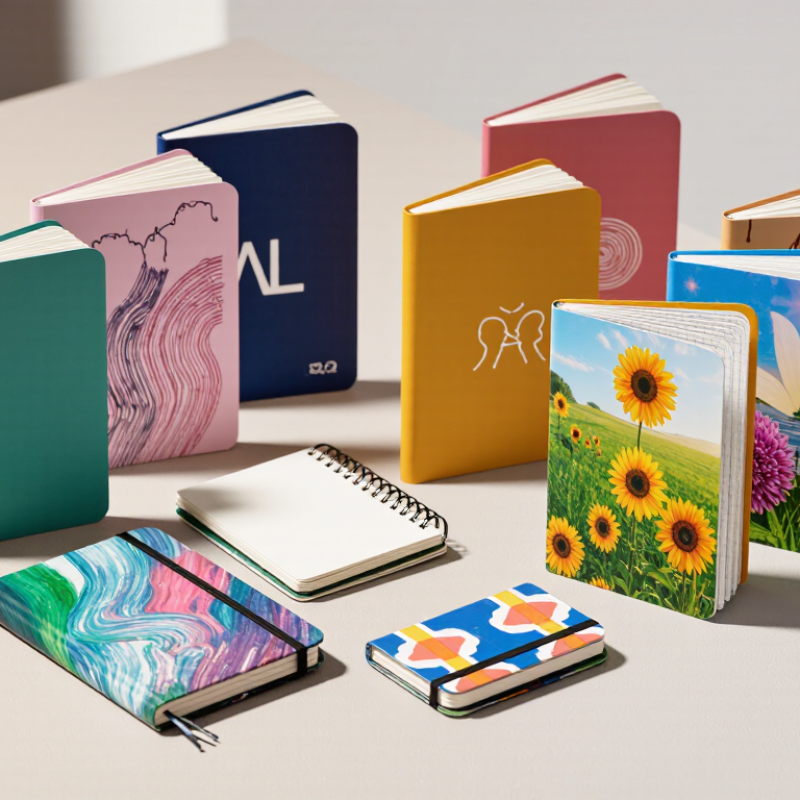
10 Best Artist Merchandise Notebooks for Global Buyers

What Artist Merchandise Notebooks Are and Who Buys Them

Artist merchandise notebooks are paper goods that connect an artist’s visual identity with everyday writing. Buyers include devoted fans, concert visitors, students, collectors, and gift shoppers. Some collect. Others write. A fan might choose a notebook for its cover illustration, while a student may care more about smooth paper and a sturdy binding. Event buyers often want a compact keepsake that fits in a bag. International buyers also consider readable artwork, clear product details, and dependable packaging. These priorities can conflict. A beautiful cover is not enough if the pages feel flimsy.

Industry reports show a sizable market for licensed merchandise, but they do not measure artist notebooks specifically. Licensing International’s 2024 Global Licensing Industry Study estimated licensed consumer-product and service sales at US$356.5 billion in 2023, up 4.6 percent from 2022. IFPI reported global recorded-music revenues of US$28.6 billion in 2023, a 10.2 percent annual increase. These figures describe broader industries, not notebook demand. Still, they help explain why physical products remain relevant around entertainment and music. For buyers, practical details matter: page count, paper weight, binding, and accurate color reproduction. I would not assume every fan wants a collectible. Some simply need a notebook that opens flat and survives daily use.

Standard Notebook Sizes for Artist Merchandise

Standard ISO A-series paper sizes offer useful reference points for notebook listings: A6 is compact, A5 is a common portable format, and A4 provides more room for sketches. Finished notebook covers may be slightly larger than the paper dimensions.

Dimensions shown are paper sizes defined by ISO 216.

How to Evaluate Notebook Design, Materials, and Practical Features

For artist merchandise notebooks, design should survive both display and daily use. Check whether the cover artwork stays legible at thumbnail size, then inspect a full-size proof for fine lines, muted colors, and trimmed edges. Paper matters just as much. A smooth, bright sheet can sharpen printed illustrations, while a warmer, lightly textured page feels inviting for pencil sketches. Ask for paper weight and opacity, not just “premium paper.” A dark marker showing through the reverse can spoil an otherwise lovely spread. Small detail. Test a physical sample when possible.

Practical features deserve equal attention. A lay-flat binding helps artists draw across the center fold; rounded corners and a sturdy back cover handle travel better. Check page count, ruling, and whether the paper suits pens, pencils, or light washes.

The U.S. Environmental Protection Agency’s 2018 Advancing Sustainable Materials Management report found that 68.2% of paper and paperboard was recycled. That figure covers many paper products, not notebooks alone, but it makes recycled content worth asking about. Request the percentage and supporting documentation, rather than relying on a green label. I would also test the notebook in a bag for a week; that is not a formal lab method, and it can still reveal a weak binding or a cover that scuffs too easily.

Ten Artist Merchandise Notebooks Compared by Style and Use

Artist merchandise notebooks differ most in paper, binding, and intended use. An illustrated hardcover suits display and daily notes, while a blank sketchbook gives drawings more room. Lined pages work well for journaling or lyrics; dot-grid pages support layouts and light planning. A pocket notebook travels easily, but its small pages can feel cramped. Small details matter.

Among ten common styles, a landscape-format book gives broad sketches room to breathe, and a spiral binding lies flat on a desk. Recycled-paper editions appeal to buyers who value a natural texture, though paper tone can affect color choices. Mixed-media notebooks handle varied tools better when their paper is heavier. Foil-covered editions emphasize visual appeal, but covers may show wear with frequent use. These are practical comparisons, not fixed rules; paper quality varies between editions, so checking specifications is worthwhile. I still find “best” difficult to define without knowing the buyer’s habits.

Tips: Match the page size to the way the notebook will be carried or used. For watercolor or markers, check the stated paper weight and test a sample page when possible. Compare dimensions and page counts before ordering internationally, since photos can make notebooks look larger than they are.

How Global Buyers Can Compare Prices, Shipping, and Availability

For artist merchandise notebooks, compare the full delivered cost, not just the listing price. Check the same details across sellers: page count, paper type, dimensions, binding, and whether the item is ready to ship or on preorder.

UNCTAD’s 2024 Digital Economy Report estimated e-commerce sales across 43 economies at nearly $27 trillion in 2022. That scale makes cross-border availability worth checking carefully. A notebook shown online may not ship to every destination.

Shipping changes the real price. Baymard Institute’s 2022 checkout research found that 48% of surveyed US shoppers who abandoned an online order cited extra costs, such as shipping, taxes, or fees. Compare delivery estimates, tracking, and any charges shown before payment.

Small details matter. A low item price can lose its appeal when delivery takes three weeks or the total changes at checkout. Availability also shifts; note the date you checked stock, especially for limited runs.

Estimates can still be imperfect, and currency conversion may vary between checkout and card statements. A simple comparison table helps, but it cannot promise that every seller’s information is current.

What to Check Before Ordering Artist Merchandise Notebooks Internationally

Artist merchandise notebooks can look similar online, yet small details decide whether they work as gifts, stock, or event sales. Before paying, confirm the finished size, page count, paper weight, ruling, and cover finish in writing. Ask whether the paper handles ink without noticeable bleed-through, especially if buyers use fountain pens or markers. A sample helps. If one is unavailable, request clear photos of the open notebook, spine, corners, and a color proof beside a neutral reference.

For overseas orders, compare the full landed cost, not just the unit price. Request itemized shipping and packaging costs, and ask how the seller handles delayed or damaged parcels. Confirm production time separately from transit time; custom artwork approval can add days. Share your delivery postcode early, since remote-area fees and carrier options may change the quote. Check carton dimensions and weight if you plan to resell or distribute notebooks across several locations.

Check artwork permissions and print specifications before approving the proof, and keep the final files and written approval together. Ask about packaging language, barcode needs, and whether replacement copies are possible. Details vary by destination and seller, so confirm them for your shipment. I once treated a digital color proof as exact. It was not. Paper stock and lighting shifted the result slightly. Allow for small differences, and order a modest test batch when timing allows.

FAQS

Who typically buys artist merchandise notebooks?

Fans, concert visitors, students, collectors, and gift shoppers buy them. Some want a keepsake; others need everyday writing space.

What should I check before choosing a notebook?

Compare page count, paper weight, binding, ruling, and dimensions. A detailed cover cannot make flimsy pages feel sturdy.

Which notebook works well for drawing?

A blank sketchbook offers open space, while landscape pages suit broad sketches. For markers or light washes, check paper weight and test a sample.

Why does binding matter?

Lay-flat binding makes drawing across the center fold easier. A weak binding may loosen in a bag. Annoying, but easy to miss.

Are lined and dot-grid pages useful for different tasks?

Yes. Lined pages suit journaling or lyrics, while dot-grid pages help with layouts and light planning.

Is recycled paper always the best choice?

Not necessarily. Recycled paper may have a natural texture, and its tone can affect printed colors. Ask for documented recycled content.

How can I judge the cover artwork?

Check whether it stays readable as a small image, then inspect a full-size proof. Look for fine lines, muted colors, and trimmed edges.

What should international buyers consider?

Compare dimensions and page counts before ordering; photos can make a notebook look larger. Check packaging details, too. I would not rely on appearance alone.

Which style is easiest to carry?

A pocket notebook travels easily, though its pages may feel cramped. Try imagining a full page of notes before choosing.

Conclusion

Artist Merchandise Notebooks combine creative artwork with practical everyday use, appealing to fans, collectors, artists, and gift buyers. Choosing the right notebook means considering more than its cover: paper quality, binding, size, durability, page layout, and useful features all affect how well it suits writing, sketching, or planning. This guide compares ten notebook styles, highlighting how their designs and features serve different preferences and needs.

For international buyers, the comparison also considers price, shipping costs, delivery times, and product availability. Before placing an order, check the notebook’s dimensions, materials, page details, seller information, shipping terms, and return options. Comparing these details carefully can help buyers choose Artist Merchandise Notebooks that match their intended use and budget, while reducing surprises during international purchasing.

Amelia

Amelia

Amelia is a dedicated marketing professional with a deep understanding of the company’s products, services, and customer needs. With a strong combination of industry knowledge, communication skills, and strategic insight, she helps translate complex product features into clear, practical value for......