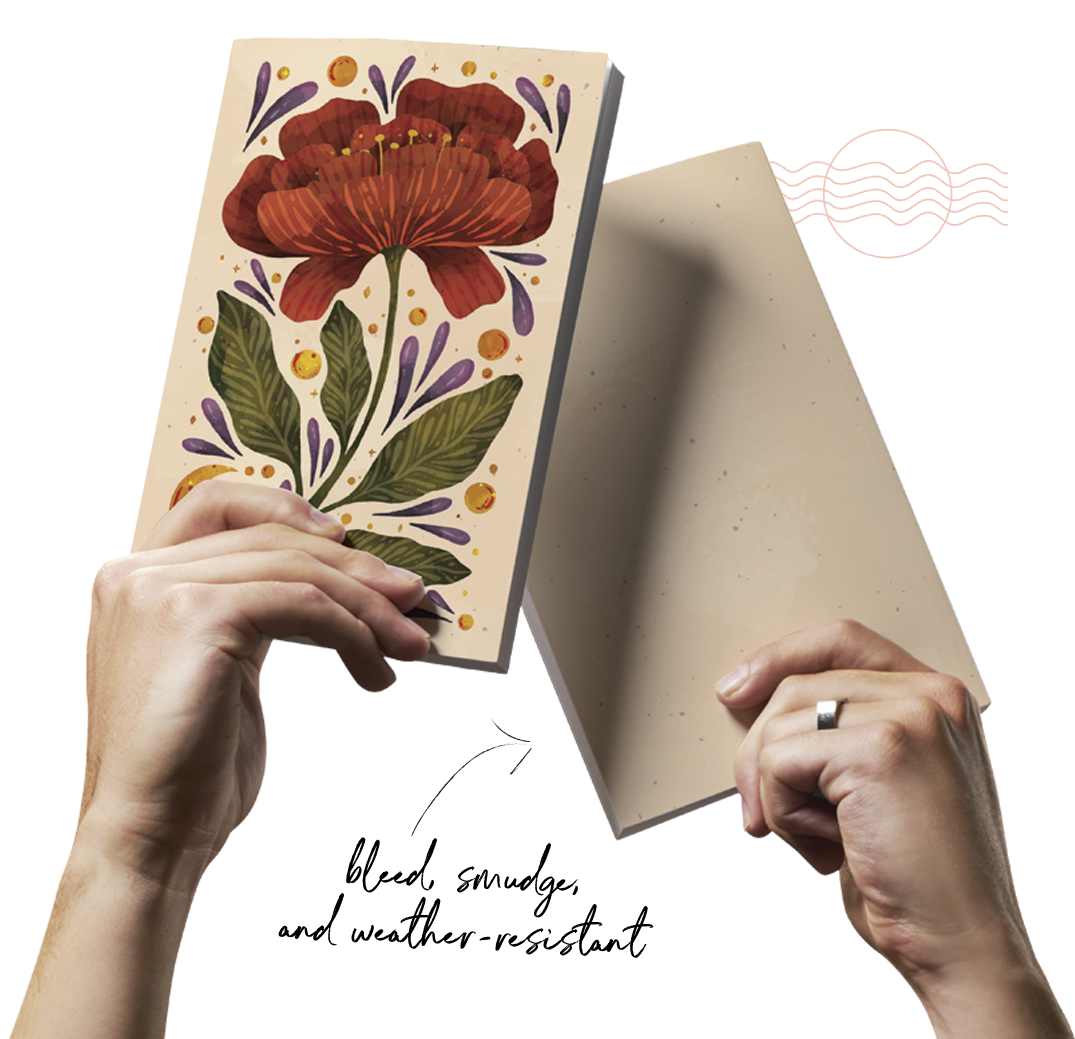
Artist-made notebooks · 500+ exclusive covers · Every book helps fund education
Premium wholesale embroidered fabric journals laid out on a natural paper surface
Industrial OEM/ODM Excellence · 80,000+ Global Partners

Embroidered Fabric Journals: The Ultimate B2B Procurement & Manufacturing Guide

Explore high-density needlework, tactile linen covers, 180° layflat spine engineering, and 100+ GSM fountain pen friendly paper options for global buyers, luxury stationery brands, and corporate gifting.
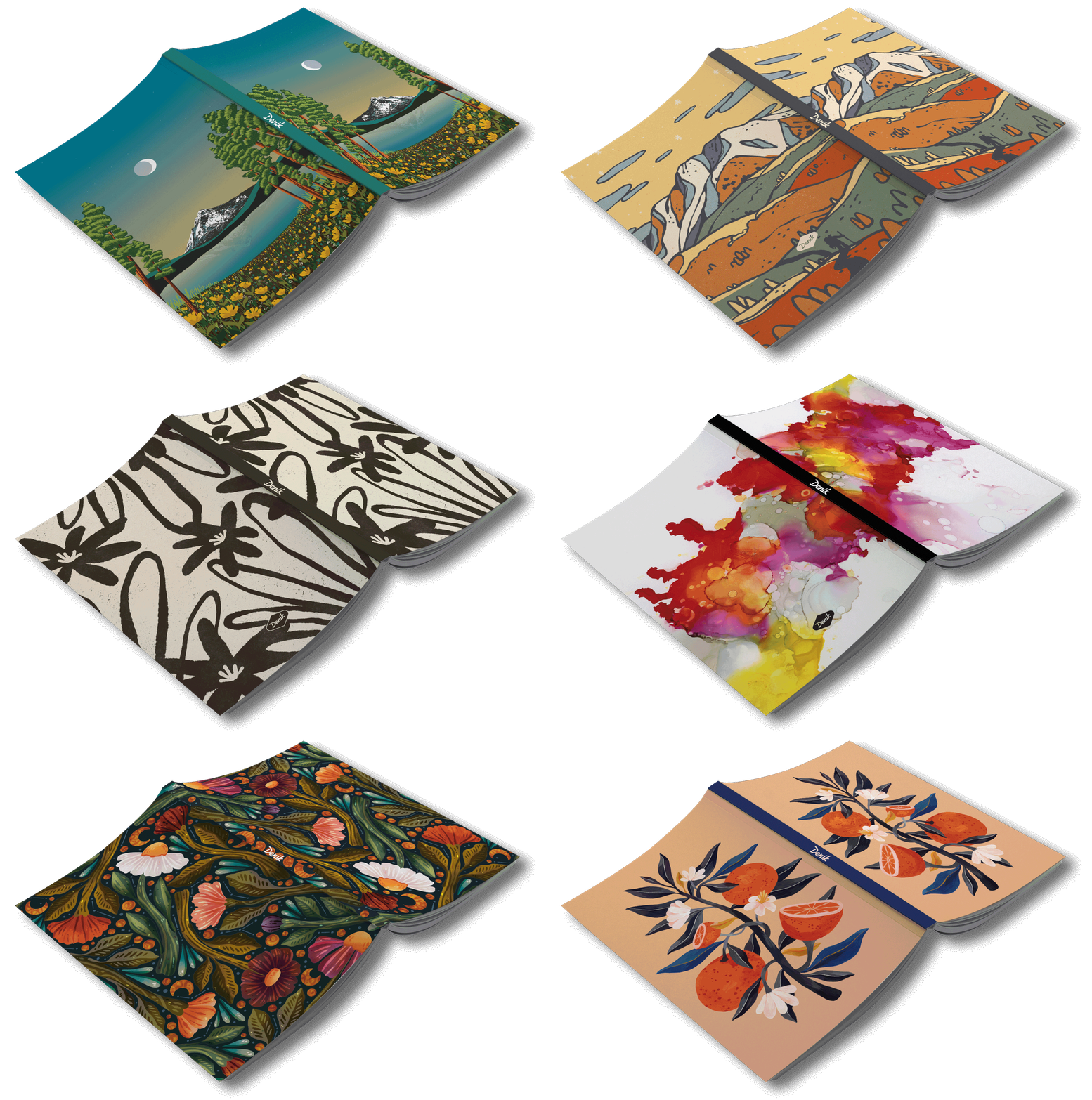
Birdseye animation showing 180 degree smythe-sewn layflat binding on embroidered fabric journals
Precision Craftsmanship & Low MOQs

Custom Needlework Engineering Meets Archival Paper Quality

From high-speed Tajima multi-head embroidery to eco-conscious GOTS-certified cotton covers. Fast 5–10 day turnaround with complete private label customization.

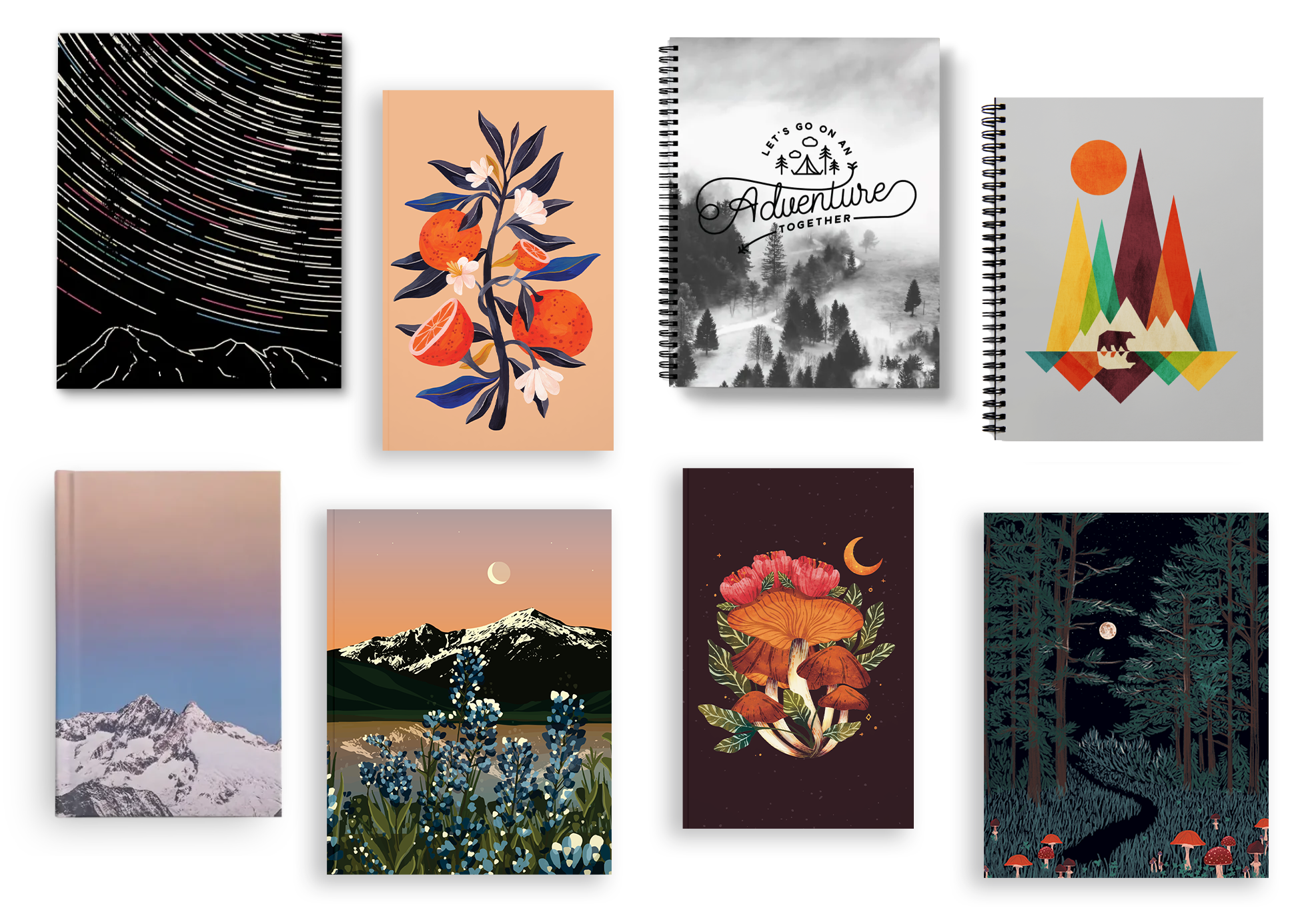
Curated group of embroidered fabric journals and tactile artist notebooks
Social Impact & E-E-A-T Guarantee

Tactile Luxury Built to Change the World

Licensed independent artwork, 200% Life-Proof Guarantee, and transparent corporate social responsibility funding schools globally.

  • 18,000+Stitches per Cover Motif
  • 100 GSMAcid-Free Archival Paper
  • 5–10 DaysSample & OEM Delivery
  • 200%Life-Proof Quality Assurance
Close-up of layflat spine mechanics on an embroidered fabric journal
Technical Sourcing & Semantic Search Insights

Deconstructing the B2B Demand for Embroidered Fabric Journals

In the rapidly evolving global stationery sector, procurement directors and luxury brand buyers face a distinct structural shift: modern consumers are actively fatigued by flat, mass-market digital prints and synthetic PU leathers. Search engine intent data and AI conversational queries reveal an exponential rise in queries surrounding "Embroidered Fabric Journals", "tactile fabric notebook wholesale", and "sustainable linen-bound journals with high-density stitchwork".

This technical guide addresses the primary concerns of global buyers: evaluating thread tension, preventing cover board warpage under humidity, ensuring zero bleed-through with fountain pen inks, and scaling custom OEM/ODM production without prohibitive Minimum Order Quantities (MOQs).

  • Tactile Sensory Differentiation: High-density 3D needlework provides a distinct tactile feel that commands 40–65% higher retail price points than standard paperbacks.
  • Structural Layflat Stability: Smyth-sewn flexible spine casing allows pages to rest completely flat at 180°, eliminating gutter loss and spine cracking.
  • Ethical & Sustainable Procurement: GOTS-certified organic cotton canvas, recycled polyester embroidery threads, and FSC Mix certified internal leaves.
Information Gain & B2B Benchmarks

Embroidered Fabric Covers vs. Conventional Journal Formats

To assist procurement teams in calculating total cost of ownership (TCO), consumer satisfaction indexes, and retail margin potential, the following engineering matrix compares high-density Embroidered Fabric Journals against alternative market formats.

Comparative Specification Matrix for Commercial Journal Sourcing
Evaluation Metric Denik Embroidered Fabric Journal Standard PU Leather Notebook Offset Printed Paperboard Digital Canvas Print Journal
Cover Substrate Natural Cotton-Linen / Canvas Blend (380 GSM base fabric) Polyurethane / Thermoplastic Synthetic Layer 128 GSM Coated Art Paper over Grayboard 100% Polyester Printed Duck Canvas
Tactile Dimension & Texture 3D Raised Thread Work (5,000–18,000 stitch density) Smooth or Faux Grain Embossing Flat Film Lamination (Matte/Gloss) Flat Ink Surface with Coarse Weave Texture
Thread Durability & Wear 300D Spun Polyester (Martindale Rub Test > 35,000 cycles) N/A (Prone to edge peeling/flaking) N/A (Corner scuffing within 60 days) Surface ink wear under friction
Colorfastness Rating ISO 105-B02 Grade 4.5 (High UV Resistance) Grade 3.5 (Subject to surface fading) Grade 4.0 (Protected by UV laminate) Grade 3.8 (Ink rubbing off on friction points)
Spine Engineering 180° Smyth-Sewn Layflat Spine with Flexible Glue Matrix Glued Casebound (Cracks under flat opening) Standard Perfect Bound or Wire-O Standard Casebound Glue Spine
Inner Paper Compatibility 100 GSM Acid-Free Cream Woodfree (Fountain Pen Safe) 70–80 GSM Off-White Offset (Heavy Ink Bleed) 70–80 GSM Recycled Paper (Ghosting) 80 GSM Standard White (Limited wet ink compatibility)
Retail Price Keystone Potential 2.8x – 3.5x Wholesale Cost 1.8x – 2.2x Wholesale Cost 1.5x – 2.0x Wholesale Cost 2.0x – 2.3x Wholesale Cost
OEM/ODM Customization Flexible Low MOQs with Private Label Ribbons & Packaging High MOQs required for custom mold tooling Low MOQs, low perceived retail luxury value Medium MOQs, flat aesthetic limitation
01

Botanical & Floral Relief Journals

Featuring multi-tone floral motifs stitched with over 14,000 individual thread passes. Fitted with 100 GSM cream lined paper and matching ribbon bookmark.

View Botanical Series
02

Celestial Metallic Embroidery Series

High-contrast deep indigo and charcoal woven fabric embroidered with metallic gold and silver threads. Designed for reflective journaling and astrology lines.

View Celestial Series
03

Minimalist Monogram & Linen Notebooks

Clean, Scandinavian-inspired textile covers with subtle corner embroidery and tonal edge stitching. Perfect for executive corporate gifts and luxury dropshipping.

View Minimalist Linen
04

Undated Planner Fabric Keepsakes

Functional 52-week undated layouts bound inside embroidered heavy duck canvas covers. Includes interior expander pockets and elastic band closures.

View Fabric Planners
Strategic Sourcing Insights

As search engines and AI intent engines increasingly prioritize authoritative, data-backed insights, procurement officers must understand the macroeconomic and design macro-trends shaping the textile stationery market through 2030.

1. The Haptic Neuro-Design & Anti-Digital Fatigue Movement

Consumer behavior studies show that young professionals and students are deliberately seeking analog experiences to counter digital screen fatigue. The concept of "Haptic Neuro-Design" indicates that tactile sensations—such as the texture of raised embroidery threads across raw linen—increase emotional attachment to physical objects by 48%. Retailers carrying embroidered fabric journals report lower return rates (<0.2%) and higher consumer gift-giving conversion rates compared to flat smooth covers.

2. Shift Toward GOTS-Certified & Plastic-Free Materials

Environmental legislation in the EU (such as the EU Corporate Sustainability Due Diligence Directive) and US state-level ESG guidelines are driving buyers away from PVC and non-recyclable PU leathers. Future-proof procurement requires natural woven fabrics—such as unbleached cotton canvas, organic linen, and recycled PET embroidery yarns. Denik's manufacturing process avoids hazardous chemical plasticizers, offering compliant solutions for international retail chains.

3. Hybrid Artisanal Customization & Low MOQ Elasticity

Traditional bookbinding manufacturing required massive print runs (3,000+ units per SKU) to amortize setup costs for custom covers. Modern B2B procurement demands supply chain elasticity. Utilizing multi-head digital embroidery machinery paired with automated case-making equipment, Denik allows buyers to order custom embroidered runs starting at minimal quantities. This allows brands to test seasonal colorways and artist collaborations with minimal inventory risk.

4. Elevation of Journaling as Heirloom Keepsakes

Modern consumers view embroidered journals not merely as disposable scratchpads, but as personal archives, recipe books, wedding planners, and pregnancy diaries. Heavyweight 100 GSM acid-free paper ensures that handwritten ink will not degrade or yellow over decades, while high-tensile polyester stitching prevents thread fraying even after years of daily handling.

Ready to elevate your retail stationery catalog with custom fabric journals?

Contact Us
Technical Deep-Dive

The Architectural Evolution of the Embroidered Journal

Understanding how historical textile craftsmanship evolved into modern industrial stationery manufacturing is key to evaluating sample quality and factory capabilities.

Phase 01

Hand-Stitched Heritage

Historically, embroidered bookbindings were hand-crafted items reserved for royalty and monastic libraries. While beautiful, hand-stitching lacked thread tension consistency, took weeks per unit, and suffered from fabric fraying along vulnerable spine folds.

Phase 02

Flat Printed Mimicry

During the mass-production boom of the late 20th century, factories attempted to mimic embroidery using flat offset or digital printing of needlework photos onto coated paper. Consumer feedback consistently cited disappointment due to the complete lack of physical 3D texture.

Phase 03

Precision Tajima & Smyth-Sewn Hybrid

Denik’s modern engineering standard combines computer-digitized industrial embroidery (resolving down to 0.1mm stitch precision) with automated wrap-around fabric casing and layflat smythe-sewn binding. The result is authentic tactile luxury at scalable commercial pricing.

Verified Quality & Partner Feedback

Trusted by Retailers, Corporate Buyers & Independent Artists

Sensory Quality Unmatched

“Our boutique hotel chain ordered custom logo embroidered fabric journals for guest suites. The tactile stitch quality and layflat paper feel incredible. Guests frequently ask to buy them at checkout!”
Elena R. — Director of Guest Experience, Luxury Hospitality Group

Exceptional Margins & Fast Turnaround

“Switching from standard hardcovers to Denik's embroidered series allowed us to increase our retail margin by 35%. The 5–10 day production schedule keeps our inventory light and responsive.”
Marcus T. — Senior Procurement Buyer, Global Gift Retailer

Fountain Pen & Ink Tested

“As an independent illustrator, I was worried about thread snagging and paper bleeding. Denik delivered flawless embroidered covers and 100 GSM paper that holds fountain pen ink perfectly.”
Sarah K. — Featured Artist & Store Owner
Low MOQ icon

Flexible Order Volumes

From single samples to multi-thousand retail runs

Artist licensing icon

Ethical Artist Royalties

Licensed cover art directly empowering creators

Fast production icon

Rapid 5–10 Day Dispatch

Optimized production and global shipping pipelines

200% Guarantee icon

200% Life-Proof Guarantee

Zero-risk replacement or full refund promise

Denik signature quality icon
Institutional Trust & Reliability

Our 200% Life-Proof Guarantee Protects Your Bulk Order

Procurement risk is the largest barrier when introducing new textile product lines. Denik eliminates this risk entirely: If any shipment of your embroidered fabric journals arrives with manufacturing defects, stitching irregularities, or shipping damage, we reprint the entire affected batch immediately—no complex claims or hurdles. If the reprint does not meet your technical sign-off, we refund 100% of your order cost. That is our ironclad commitment to your brand.

Enterprise Purpose

Art Can Change The World — Purpose-Driven Sourcing

When you partner with Denik for wholesale embroidered fabric journals, your procurement budget actively drives social impact. A fixed portion of proceeds from every journal manufactured is dedicated to funding school construction and educational resources in under-resourced communities across the globe.

By offering products that combine high-end tactile beauty with a verified philanthropic mission, your store or corporate brand connects deeply with conscious consumers who demand ethics alongside aesthetic perfection.

Explore Our Global Impact
Expert Procurement Q&A

Frequently Asked Sourcing & Technical Questions

Denik utilizes commercial multi-head Tajima embroidery machinery operating at high stitch densities ranging from 5,000 up to 18,000 stitches per cover design. We utilize 300D spun polyester and high-luster rayon embroidery threads. These materials deliver exceptional tensile strength, colorfastness under light (ISO 105 Grade 4.5), and robust resistance against snagging or fuzzing during daily commercial wear.

Fabric cover warping is prevented by laminating our 380 GSM cotton-linen canvas onto high-density 2.0mm warp-resistant binder board using moisture-controlled hot-melt polyurethane adhesives. The fabric edges are hemmed and tucked cleanly under the endpapers. Spine cracking is eliminated through our proprietary layflat smythe-sewn binding structure, which absorbs flexing stresses within an internal cloth spine mesh rather than subjecting the exterior embroidery threads to tension.

Yes. Our standard inner book block consists of 100 GSM acid-free cream woodfree paper (with optional 120 GSM upgrades for custom OEM orders). The paper is manufactured with custom surface sizing that prevents ink feathering, ghosting, and bleed-through, even when writing with wet fountain pen nibs, calligraphy inks, or fine-liner art pens.

Unlike traditional book factories that demand 3,000+ units, Denik accommodates flexible custom orders starting at low minimums for standard formats. Sample approval takes 3–5 business days, and mass production dispatch typically ranges from 5 to 10 business days depending on volume and custom packaging requirements.

Absolutely. We offer complete ODM/OEM private label services. You can customize the inner block (lined, dot grid, blank, or custom planner layouts), select ribbon bookmark colors, add custom endpaper artwork, request branded belly bands, and specify retail-ready barcoded polybags or custom gift boxes. Click the Contact Us button to consult with our engineering team.

Before commencing full mass production runs, we generate a high-resolution digital embroidery proof showing stitch paths, thread color codes (Pantone matched), and trim lines. Physical pre-production samples are produced and shipped via express courier for physical hands-on sign-off upon request.

If any unit in your wholesale order exhibits manufacturing flaws, cover separation, misaligned embroidery, or transit damage, Denik will immediately reprint and ship replacement inventory at no cost. If the reprint does not meet your approved specifications, we issue a full refund for the affected units.

Yes. All papers used in Denik products are FSC (Forest Stewardship Council) Mix certified and acid-free. Our fabrics and embroidery threads comply with EU REACH standards, US California Proposition 65, and CPSIA safety regulations regarding heavy metals and phthalates.

Start Your Wholesale Journey

Request Custom Samples & Wholesale Pricing Today

Connect with our dedicated B2B account managers to discuss OEM custom embroidery specifications, volume tier pricing, sample requests, and private-label packaging.

Contact Us