
Artist-made notebooks · 500+ exclusive covers · Every book helps fund education
0%

Choosing the right Canvas Notebook Pouches can shape a wholesale buyer’s margins, customer satisfaction, and repeat orders. The best options must balance fabric strength, useful storage, clean stitching, and dependable production. A pouch may look simple. It is not.

Maya Chen, a canvas accessories sourcing consultant with more than a decade of product-development experience, says, “A reliable pouch protects the notebook, but a thoughtful pouch protects the buyer’s reputation.” Her point matters in wholesale purchasing. Retailers need products that survive daily handling, display well, and remain consistent across larger batches. A loose zipper, uneven seam, or strong chemical odor can quickly become an expensive complaint.

This guide examines ten Canvas Notebook Pouches selected for practical wholesale evaluation. It considers canvas weight, lining quality, pocket layout, closure performance, customization potential, packaging, and order flexibility. Some designs offer excellent durability but feel bulky. Others look refined but may need stronger reinforcement around the corners. That trade-off deserves attention.

Details matter.

We also consider supplier communication, sample accuracy, production consistency, and realistic lead times. These factors are less visible than color or style, yet they often determine whether an order succeeds. No pouch is perfect. Buyers should test samples with actual notebooks, pens, chargers, and repeated opening cycles before committing to volume.

The rankings are intended as a practical starting point, not a substitute for inspection. Wholesale decisions should reflect the buyer’s market, budget, shipping conditions, and branding goals. A polished appearance helps. Reliable performance lasts longer.
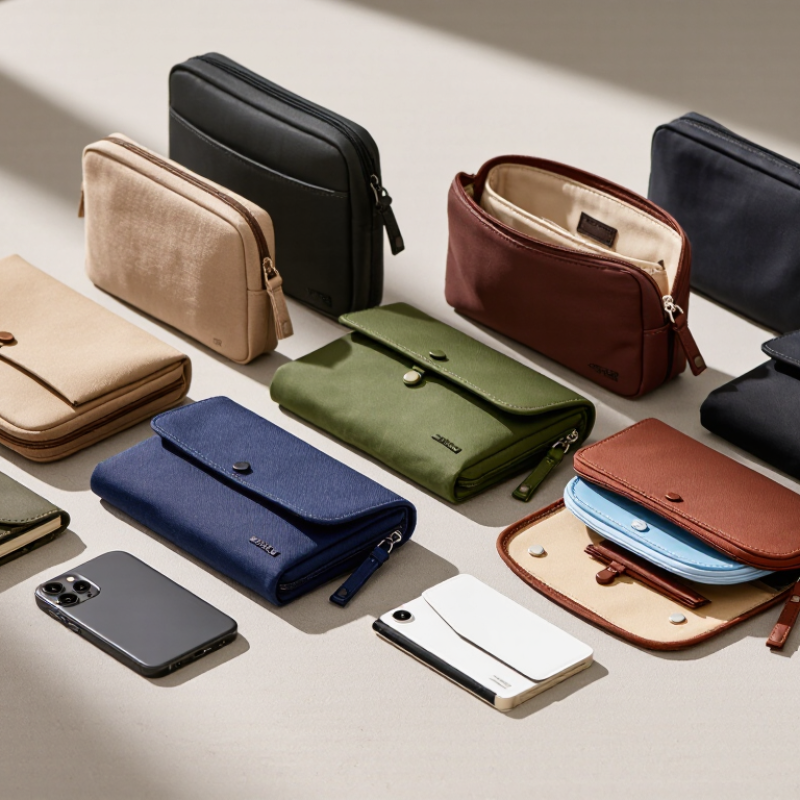
Top 10 Canvas Notebook Pouches for Wholesale Buyers

Canvas Notebook Pouches: Purpose, Materials, and Wholesale Applications

Canvas notebook pouches protect journals, planners, and writing tools during daily transport. They reduce corner damage, surface scratches, and loose items inside a work bag. For wholesale buyers, the pouch is both a practical accessory and a useful product extension.

A 25-centimeter pouch can hold an A5 notebook, two pens, and a small ruler. That simple capacity often fits office, school, travel, and gift programs.

Material choice affects durability, appearance, and purchase cost.

Cotton canvas feels natural and works well for printed designs. Recycled canvas can support sustainability-focused collections, but its texture may vary slightly between production batches. Polyester canvas usually resists moisture and keeps its shape under frequent use. Zippers need smooth movement, while reinforced seams should handle repeated opening. I check stitching density, lining attachment, and edge binding before approving samples. Small defects matter.

Wholesale applications include stationery sets, educational supplies, conference kits, and employee welcome packages.

Buyers should compare fabric weight, pouch dimensions, packing methods, and minimum order quantities. Neutral colors often support larger markets, while seasonal colors can create faster campaign appeal. Custom labels and simple patterns may increase perceived value without adding excessive production steps. However, printed artwork can look different on textured fabric. That detail deserves a physical sample review. Bulk planning is useful, but actual user feedback may challenge the original assumptions.

Key Features That Define a High-Quality Canvas Notebook Pouch

For wholesale buyers, a high-quality canvas notebook pouch begins with dependable fabric. Look for tightly woven cotton canvas, usually around 10 to 16 ounces. It should feel firm, not stiff. A practical pouch protects notebooks from dust, light moisture, and daily friction. Check the weave under bright light. Loose gaps may become tears after repeated use. Recycled or certified fibers can add value, but documentation matters more than a green claim. When reviewing samples, inspect seams, corners, and the lining by hand. Small flaws often reveal larger production issues.

Construction should support real movement. Reinforced stitching at the zipper ends and handle reduces stress when the pouch is full. A smooth metal or coated zipper should open without catching on paper covers. The pull needs enough length for quick access, even with busy hands. Interior space must fit the advertised notebook size without crushing its edges. Useful pockets can hold pens, cards, or a slim charger. However, too many compartments waste volume. A washable lining is helpful, though not every lining survives harsh cleaning.

For wholesale orders, consistency is as important as appearance. Request measurements, fabric weight, color references, and pre-shipment inspection photos. Test samples with a notebook, two pens, and a small cable. Carry them for several days. That simple test exposes weak handles and awkward openings. Review odor, dye rubbing, and seam alignment before approving production. No pouch is perfect. I would rather accept a minor visual variation than hide a weak closure. Clear tolerances and honest sampling create fewer returns and stronger buyer trust.

Top Ten Canvas Notebook Pouch Types for Wholesale Buyers

Wholesale buyers need more than attractive fabric. They need dependable pouch types for different retail needs. Ten practical canvas notebook pouch types include flat sleeves, zippered sleeves, button-flap pouches, drawstring pouches, expandable gusset pouches, pen-pocket pouches, recycled-canvas pouches, water-resistant pouches, padded protective pouches, and organizer pouches. Each type suits a different notebook size, closure preference, or price tier. In sample inspections, zipper alignment, seam strength, and accurate dimensions often matter more than decoration. A charming pouch can still fail if its opening feels tight.

Tips: Request pre-production samples and measure the inner compartment, not only the outer shell. Test ten opening cycles, inspect corner stitching, and place a notebook inside for one full day. Ask for fabric weight, lining details, colorfastness information, and carton measurements. Confirm recycled-material claims with supporting documents. These checks improve purchasing records and reduce avoidable disputes. Still, no test predicts every customer habit.

Flat and zippered sleeves suit stationery counters, while padded and gusseted designs support premium notebook sets. Organizer and pen-pocket types can increase perceived value without taking much display space. Drawstring and button-flap styles offer a softer, handmade impression, although closure consistency may vary. Water-resistant fabric helps during commuting, but it is not waterproof unless verified. Compare defect allowances, minimum order quantities, lead times, and replacement procedures before production. Small details decide repeat orders.

How to Compare Capacity, Design, Durability, and Customization

Top 10 Canvas Notebook Pouches for Wholesale Buyers

For wholesale buyers, comparing the top ten canvas notebook pouches starts with usable capacity, not impressive measurements. Measure the notebook, charger, pens, and a few millimeters of clearance. A pouch that fits one journal may fail when orders include thicker planners. Check gusset depth, zipper opening, and interior pockets. Ask for a filled sample. I once trusted listed dimensions and missed the curved corners. That mistake caused avoidable packing complaints.

Design should support daily handling and shelf appeal. Look for balanced proportions, clean panel alignment, and a zipper that opens without catching. Neutral canvas colors often suit wider markets, while printed panels can create stronger seasonal collections. Request a physical sample before approving bulk production. Photos hide uneven dye and rough seams. Keep decoration practical; oversized labels can reduce writing space and increase unit cost. Small details matter.

Durability depends on canvas weight, lining, thread density, and stress-point reinforcement. Test the handle, zipper ends, and pocket seams with repeated loading. A simple rub test can reveal early fading, though it cannot replace real use. For customization, confirm print method, thread colors, logo placement, carton packing, minimum order quantity, and lead time in writing. Suppliers may promise flexibility, but changes after sampling can alter fit. Leave room for revision. Quality improves there, sometimes slowly.

Wholesale Purchasing Factors: Pricing, Minimum Orders, and Suppliers

Top 10 Canvas Notebook Pouches for Wholesale Buyers

Wholesale buyers should compare landed cost, not only the quoted unit price. Grand View Research estimates the global stationery products market reached about USD 90.6 billion in 2023, with continued growth through 2030. That scale creates supplier competition, but canvas quality still changes pricing. A pouch with 12-ounce cotton canvas, reinforced seams, and metal zippers usually costs more than a thin, printed version. Ask for a sample before negotiating volume. Photos can hide weak stitching.

Minimum order quantities require practical judgment. Many suppliers set MOQs between 100 and 1,000 pieces, depending on printing, color, and packaging. Lower MOQs may carry higher unit prices. Larger orders can reduce costs, but excess inventory can quietly damage cash flow. I would test three pouch sizes first, perhaps 100 units each. This is less impressive than ordering 3,000 pieces, but often safer.

Supplier reliability deserves equal attention. The 2024 DHL Global Connectedness Report highlights how international supply chains remain exposed to shipping disruption and regional delays. Request production timelines, carton dimensions, material specifications, and inspection photos. Compare at least three written quotations. Confirm whether pricing includes customization, packaging, freight, and applicable duties. Some suppliers provide attractive factory prices, then add separate tooling or handling fees. That detail is easy to miss. A written sample approval process also reduces disputes, although it cannot remove every production risk.

Top 10 Canvas Notebook Pouches for Wholesale Buyers

Wholesale benchmark comparison based on typical bulk purchasing factors: estimated unit price, minimum order quantity, and indicative supplier availability. Prices are shown in USD per unit.

Lower unit pricing and MOQ can improve purchasing flexibility, while higher supplier availability may support faster sourcing and easier replenishment. Actual quotations vary by material weight, printing, hardware, packaging, and destination.

FAQS

What fabric weight is suitable for a wholesale canvas notebook pouch?

Look for tightly woven cotton canvas weighing about 10 to 16 ounces. It should feel firm, not rigid. Check the weave under bright light. Loose gaps can become tears.

Which construction details should buyers inspect?

Examine the seams, corners, lining, zipper ends, and handle attachments. Reinforced stitching helps reduce stress when the pouch is full. Small flaws may signal wider production problems.

How can buyers test a pouch sample properly?

Place one notebook, two pens, and a small cable inside. Carry the pouch for several days. This reveals weak handles and awkward openings. Photos are not enough.

What zipper features are useful for daily use?

Choose a smooth metal or coated zipper that does not catch paper covers. A longer pull makes opening easier with busy hands. Closure quality deserves careful testing.

How many interior compartments should a pouch have?

Useful pockets can hold pens, cards, or a slim charger. Too many compartments reduce the main storage space. More pockets are not always better.

What information should wholesale buyers request before ordering?

Request measurements, fabric weight, color references, carton dimensions, and material details. Ask for inspection photos before shipment. Confirm packaging, freight, customization, and applicable duties in writing.

How should buyers evaluate minimum order quantities?

Common minimums may range from 100 to 1,000 pieces. Larger orders can lower unit costs but create excess inventory. Testing three sizes with smaller batches may be safer. It feels less impressive, but cash flow matters.

How can buyers compare supplier prices accurately?

Compare landed cost, not only the quoted unit price. Include customization, packaging, freight, tooling, handling fees, and applicable duties. A low factory price can become expensive later.

What sustainability claims require extra checking?

Recycled or certified fibers may add value. Request supporting documentation instead of accepting a green claim. The label may sound convincing. Evidence matters more.

What imperfections should buyers accept?

Minor visual variation may be acceptable if the closure and seams remain strong. No pouch is perfect. I would not hide a weak closure to protect an attractive sample.

Conclusion

Canvas Notebook Pouches are practical, reusable organizers designed to protect notebooks, stationery, tablets, and small personal essentials. Made from materials such as cotton canvas, recycled fabric, or blended textiles, they offer a balance of strength, flexibility, and visual appeal. High-quality pouches are typically defined by durable stitching, reliable zippers, protective lining, functional compartments, comfortable handling, and a finish that supports long-term daily use. For wholesale buyers, popular options include slim notebook sleeves, multi-compartment organizers, zippered cases, envelope-style pouches, travel holders, and customized promotional designs.

Choosing the right pouch requires careful comparison of capacity, structure, durability, appearance, and customization possibilities. Buyers should also evaluate fabric weight, color consistency, printing or embroidery options, packaging, unit pricing, minimum order quantities, production timelines, quality control, and supplier communication. A thoughtful wholesale selection can meet different customer needs while supporting consistent presentation, dependable performance, and flexible purchasing plans.

Amelia

Amelia

Amelia is a dedicated marketing professional with a deep understanding of the company’s products, services, and customer needs. With a strong combination of industry knowledge, communication skills, and strategic insight, she helps translate complex product features into clear, practical value for......