
Explore our factory-direct manufacturing solutions engineered for corporate stationery brands, publishing houses, luxury retail, and bulk custom importers.
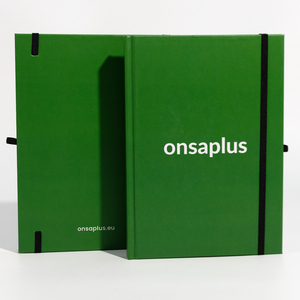
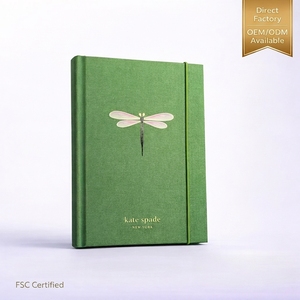
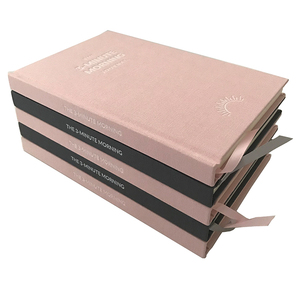
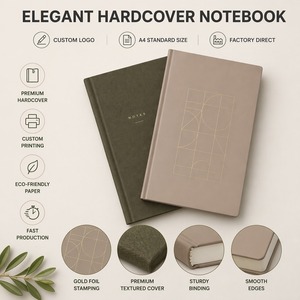
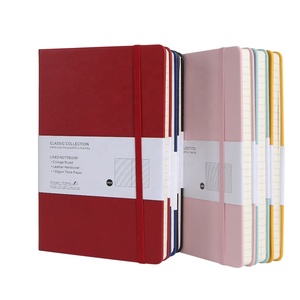
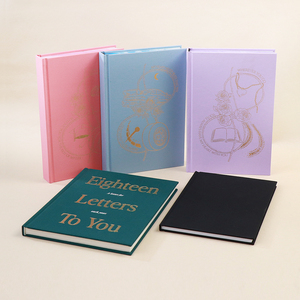
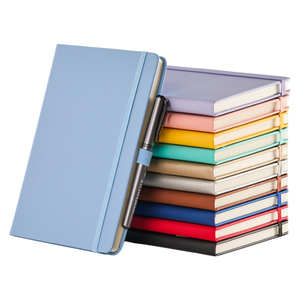

The global consumer stationery and premium corporate gift market has undergone a structural paradigm shift toward high-tactility, sustainable, and design-led physical products. At the epicenter of this transformation is China's advanced paper-converting and bookbinding industrial cluster—specifically concentrated across Guangdong, Zhejiang, and Jiangsu provinces. Modern enterprise procurement teams no longer view journals as mere utilitarian paper bundles; they treat fabric-bound journals as multi-sensory brand assets, high-margin retail merchandise, and long-lasting personal archives.
Manufacturing luxury fabric journals requires a delicate synergy between traditional bookbinding craft and state-of-the-art automated lamination. China's top tier manufacturing facilities have mastered the complex mechanical engineering required to wrap high-grade woven textiles, raw natural linens, recycled cotton canvas, and plush velvets around rigid greyboards without causing fabric fraying, warp distortions, or adhesive bleed-through.
When evaluating supply chain partners in China, commercial procurement officers must analyze manufacturers across four core pillars of technical competency: textile substrate stabilization, inner text block paper calibration, binding structural integrity (especially true 180° layflat Smyth-sewn construction), and regulatory compliance certifications (FSC, OEKO-TEX Standard 100, REACH, and Sedex SMETA audits).
A detailed breakdown of raw material selection, paper weight science, and structural binding methods tailored for global B2B buyers.
Selecting the proper outer fabric dictates both aesthetics and embellishment performance:
The paper stock dictates writing satisfaction and ink compatibility without feathering or bleed-through:
Structural binding ensures long-term longevity under daily heavy usage:
Compare standardized technical configurations across popular fabric journal categories manufactured in our facilities.
| Journal Category | Fabric Cover Type | Paper GSM & Type | Standard Binding | Custom Branding Options | Typical B2B Application |
|---|---|---|---|---|---|
| Luxury Corporate Edition | 100% Fine Woven Linen | 120 GSM Acid-Free Ivory | Smyth-Sewn Layflat | Gold/Silver Hot Foil Stamping, Metal Corners | Executive Gifting, Enterprise Events |
| Artist & Designer Series | Heavy Duty Cotton Canvas | 160 GSM Bamboo Sketch Paper | Coptic Thread Sewn / Layflat | All-Over Sublimation, Screen Printing | Retail Artist Merchandise, Premium Stationery |
| Eco-Friendly Circular Journal | GOTS Organic Cotton / RPET | 100 GSM 100% Recycled Paper | Casebound Thread Bookbinding | Water-Based Ink Printing, Blind Embossing | Corporate Sustainability Programs, ESG Initiatives |
| Executive Meeting Planner | PU Leather & Fabric Hybrid | 100 GSM Fountain-Pen Proof | Twin Wire-O Spiral with Wrap Cover | Debossed Logo, Elastic Pen Loop, Inner Pocket | Commercial Office Procurement, Seminars |
| Boutique Special Keepsake | Plush Velvet & Embroidered Fabric | 120 GSM Cream Smooth Text | Hardcover Casebinding + Ribbon | Custom Silk Embroidery, Gilded Page Edges | Weddings, Luxury Hospitality, Special Editions |
As the international stationery sector adapts to digital integration and heightened environmental awareness, fabric journal manufacturers in China are pioneering critical technical innovations. Global procurement strategists must align their product roadmaps with the following strategic shifts:
Traditional synthetic polyester covers are rapidly being phased out in favor of bio-based apple leather-fabric hybrids, pineapple leaf fiber textiles (Piñatex), and ocean-bound RPET canvas. Forward-thinking Chinese factories are integrating blockchain-traceable raw textiles with OEKO-TEX Standard 100 certification to prove low carbon footprints.
The boundary between tactile paper writing and digital workflow management is disappearing. Premium fabric covers are now custom-manufactured with embedded passive NFC micro-chips sealed beneath the fabric lining. Users tap their smartphone against the embroidered fabric cover to instantly sync analog notes to cloud servers or launch branded mobile applications.
Historical fabric journal orders required high minimum order quantities (MOQs) due to textile dye lot restrictions. Utilizing direct-to-fabric digital pigment printing and automated Casing-in systems, modern factories now offer low-MOQ (100–500 units) customization with vibrant full-bleed color artwork matching exact Pantone color codes.
Built on verified manufacturing expertise, transparent ethical sourcing, and unmatched quality assurance.
For over a decade, our specialized paper-converting and textile-binding facility in China has served as the preferred OEM/ODM production hub for leading international stationery brands, creative studios, and Fortune 500 corporate clients. We bridge the gap between traditional handcrafted artisanal bookmaking and modern industrial scale.
With fully automated casing-in machinery, digital sample plotters, and high-speed offset printing presses, standard production cycles ship within 5 to 10 working days post-proofing.
Every single journal undergoes rigorous AQL 2.5/4.0 inspection. If any batch fails to withstand daily use or arrives below sample specs, we reprint immediately without friction.
From single customized samples to mass retail production runs, our flexible lines support print-on-demand artwork, custom foil stamping, and specialized ribbon markers.
A portion of proceeds from every manufactured book directly supports global educational infrastructure projects and provides royalties to independent visual artists worldwide.
Essential insights for supply chain managers, brand directors, and print buyers looking to import fabric journals from China.
Connect directly with our engineering team for factory pricing, material swatches, and instant custom quotes.